A comprehensive resource for snowboarding and skiing
For beginners to enthusiasts
Practical and useful info, advice and community
Pursue the thrill and adventure of snowboarding and skiing
About
Experience the Ride - was spawned by a passion for snowboarding and skiing and a desire to help others discover and enjoy snowsports to the fullest!
Are you:
seeking a new and exciting outdoor endeavor in your life?
wondering about how to get started in the snowsports?
wanting to connect with a cool community of like-minded people?
a snowboarding and/or skiing zealot?
someone who starts Jonesing for snow in late summer?
interested in safely exploring awesome out of bounds and backcountry terrain?
This site is for you!
I will also feature some content on Mountain Biking, since it taps into some of the same sublime elements as snowsports and is a great way to experience the ride in late spring, summer and fall!
A little bit of my story…
Snowboarding has been epic and life-changing for me! My journey on the snow began in 1993 when I moved to the mountains of Colorado - but the inspiration for it started many years earlier!
Growing up in New Orleans, Louisiana - I had always dreamed of taking a fun ski trip to Colorado or Utah with family or friends. Sadly, that never happened!
As a teen in the late 1980’s, I was into skateboarding for a bit. One of the skate mags had an article about snowboarding and a cool picture of a guy (maybe Craig Kelly, RIP or Shaun Palmer) hucking off a big cliff out West - it really captivated me! Snowboarding looked amazing and I knew I wanted to do it!
Soon after moving to Colorado in 1993, I tried boarding at Arapahoe Basin and confirmed it was for me. From 1993-97, I was a full-time snowboard bum in Vail - I rode over 100 days every winter, in and out of bounds. In the offseasons, I mountain biked and whitewater kayaked.
I’ve skied several times over the years, and if I didn’t snowboard, I’d definitely ski—it’s just as awesome.
Since 2002, I’ve lived in the Seattle, WA area. More recently, I was a snowboard instructor at Summit Central - which helped to further deepen my perspective and love for the snowsports.
These days, I enjoy boarding with my 12-year-old son and just getting up on the snow to Experience the Ride for all it offers!
My real hope is that you can also get some thrill and meaning out of snowboarding and skiing and can create your own cherished memories!
Chris Domico
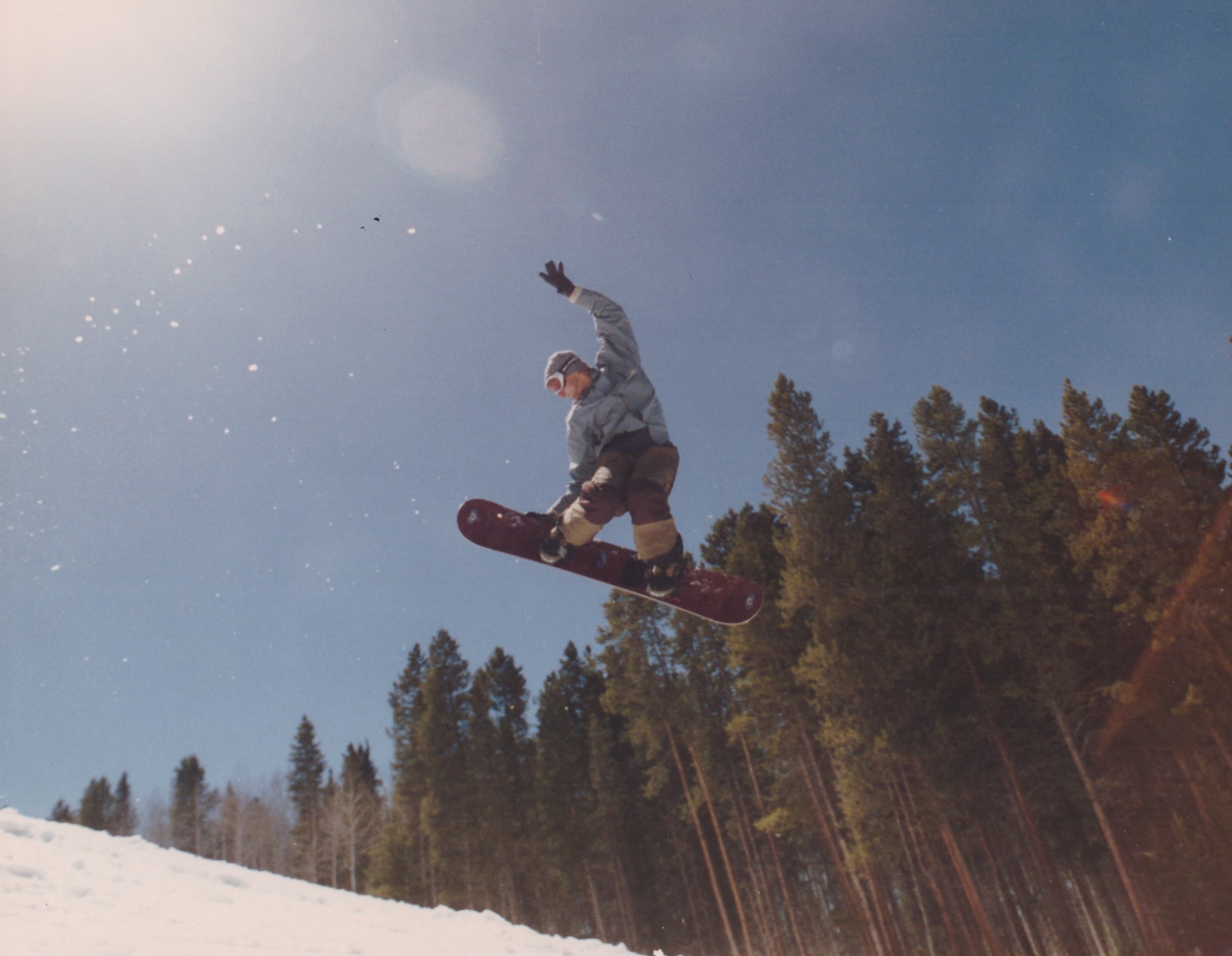
Me, circa 1995 in Vail, CO…
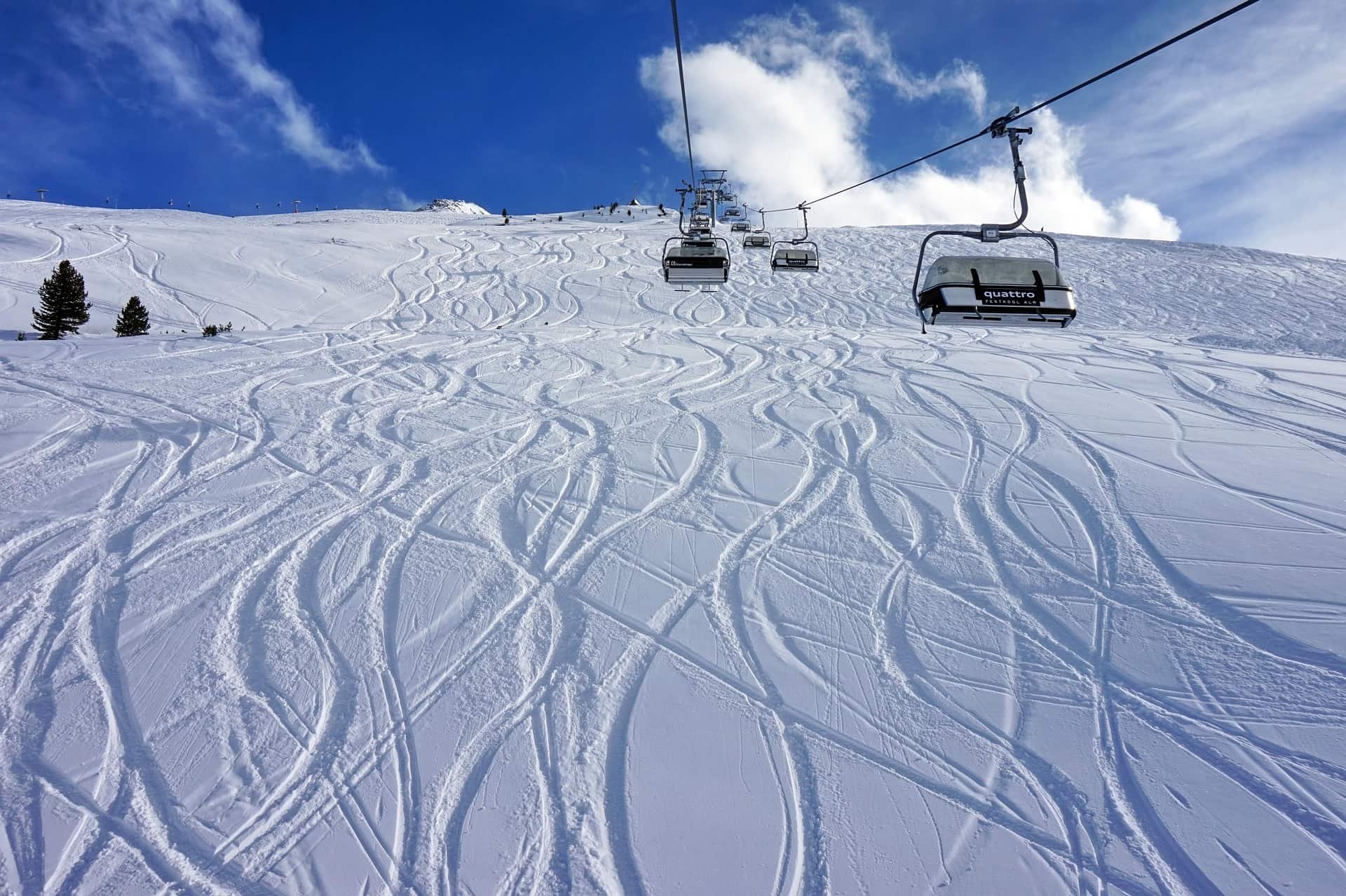
Best places to snowboard and ski?
Worldwide, there are a staggering number of ski areas and resorts! The United States itself has 486 ski areas and resorts operating in 37 states - Colorado alone has over 30! So, just in the US, the range of choices is ridiculously vast!
Let me help you narrow things down and figure out some of the best places to snowboard and ski in the United States! For that objective, I will only focus on select ski areas in the western U.S. that offer high-quality experiences for all skill levels and are relatively easy for many residents/travelers to get to (so I’m talking about Washington, Oregon, Idaho, Colorado, Utah, Montana and California)!
The Rocky Mountains (Colorado, Idaho and Montana) and Wasatch Mountains (Utah) both have insane light dry powder snow and awesome terrain; the Cascade Mountains (Washington and Oregon) and the Sierra Nevada Mountains (Northern/Central California) get tons of snowfall (in most years) and have incredible terrain; and the mountains of Southern California offer a nice combo of good terrain, excellent freestyle parks, and respectable amounts of snow in close proximity to major metro areas.
SEVERAL AREAS HAVE NIGHT SKIING OPTIONS! Please check with the individual ski areas.
In addition to my highlighted areas below, here is a short list of some other states, provinces and countries that have some phenomenal areas for snowboarding and skiing:
Wyoming, New Mexico, Alaska, Maine, Vermont, New York, British Columbia and Alberta, Canada
New Zealand, Japan, Australia, Chile, Argentina, France, Switzerland, Italy, Austria and several other European/Asian countries
If I do not mention a particular ski area, state, or country it is in no way meant as a slight! I just can’t cover them all.
Now get out there and do some exploring and enjoy the snow!
***Information and wording throughout this site that is enclosed in “quotation” marks show that it is borrowed from the official websites of ski areas, resorts, organizations and sources.
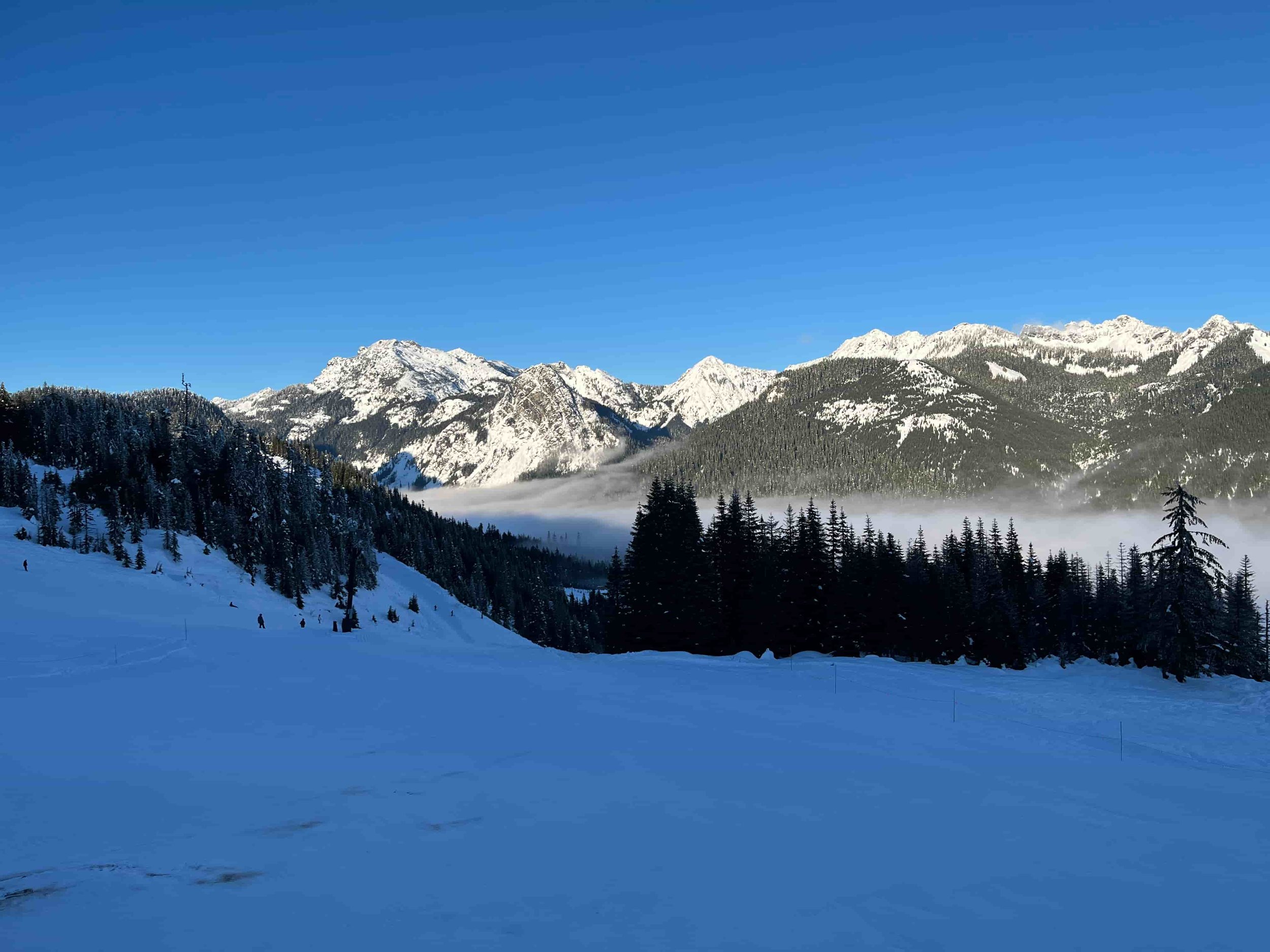
The Summit at Snoqualmie - Is the closest to Seattle and has 4 distinct areas (3 of which are connected): Summit West, Summit Central, Summit East and Alpental.
Summit West - Great spot for beginners and intermediates with lots of learning terrain.
Summit Central (pictured above) - Terrific mountain for all skill levels with 2 high-quality terrain/freestyle parks.
Summit East - Laid back area good for all levels and a dedicated Nordic (cross-country) ski center.
Alpental - Legendary mountain for the steep and deep with access to serious backcountry terrain!
Mission Ridge Ski & Board Resort - Central Washington gem known for great terrain, low crowds and lots of dry powder snow.
Crystal Mountain Resort - Large and exciting mountain with stunning views of Mt. Rainier from the top.
Stevens Pass - Superb all-around mountain with options for steeps, powder and freestyle.
Mount Baker Ski Area - Awesome big mountain experience with huge snowstorms!
49 Degrees North Mountain Resort - A nice spot to escape from the crowds, with dry inland snow and challenging runs.
Washington
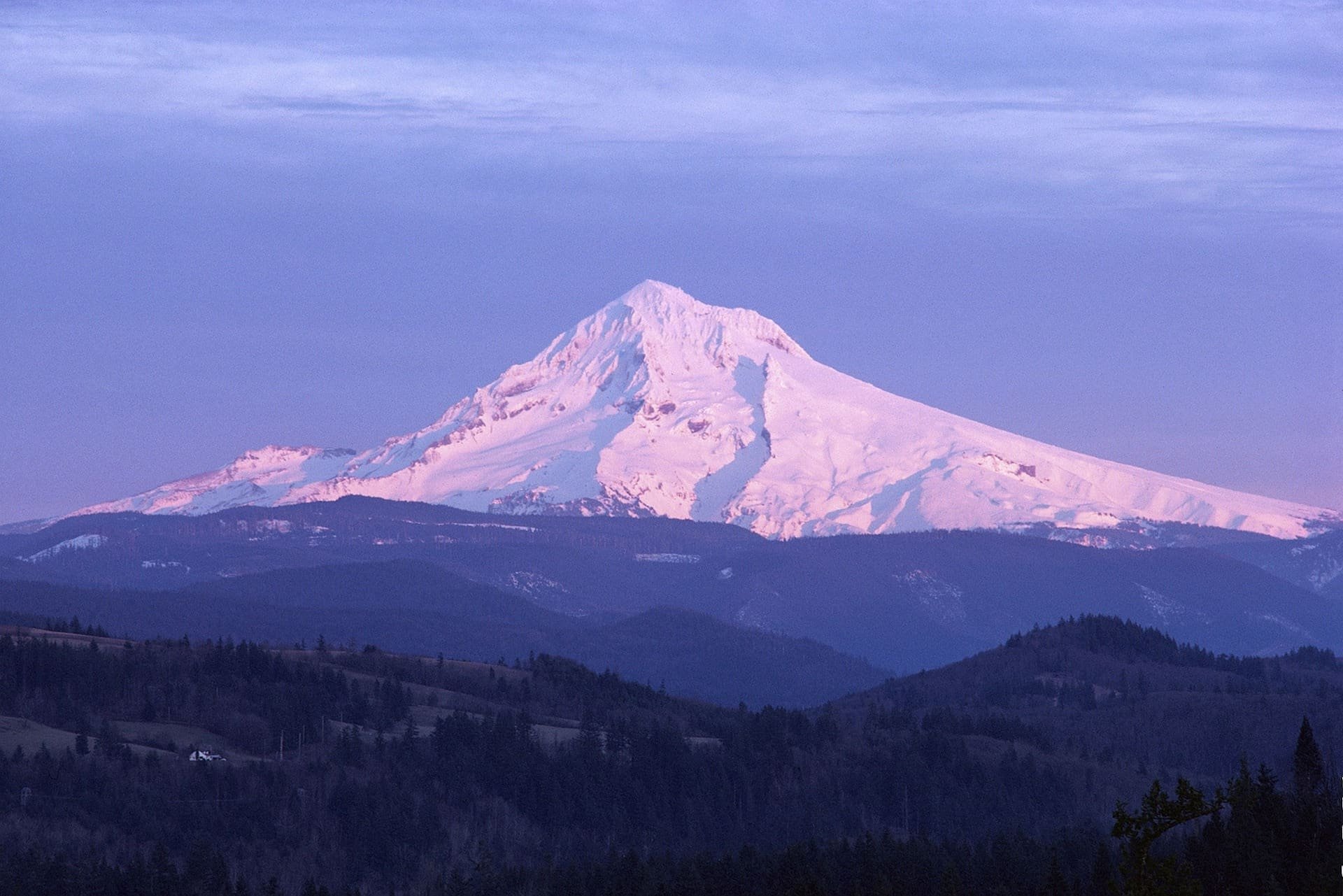
Mount Hood Meadows - “The variety of terrain at Meadows is what makes it so unique and popular; Meadows has introduced skiing & snowboarding to more Oregonians than any other ski resort.”
Timberline Lodge Ski Area - In addition to being a great winter recreation spot, it has natural snow all summer long on the upper slopes, making it an ideal location for summer freestyle and race camps!
Mount Hood Skibowl - Is the closest to Portland, “Offers some of the best terrain on Mt. Hood and known as America’s Largest Night Ski Area, with 37 lighted runs.”
Mount Bachelor Ski Resort - Great snow and terrain in sunny Central Oregon, near the adventurous town of Bend.
Anthony Lakes Mountain Resort- A non-profit ski area, “Still simple. Always Friendly.” Has the highest base elevation in Oregon at 7,100 feet.
Hoodoo Ski Area - “Central Oregon’s original ski area and your destination for family-friendly fun in your backyard!”
Oregon
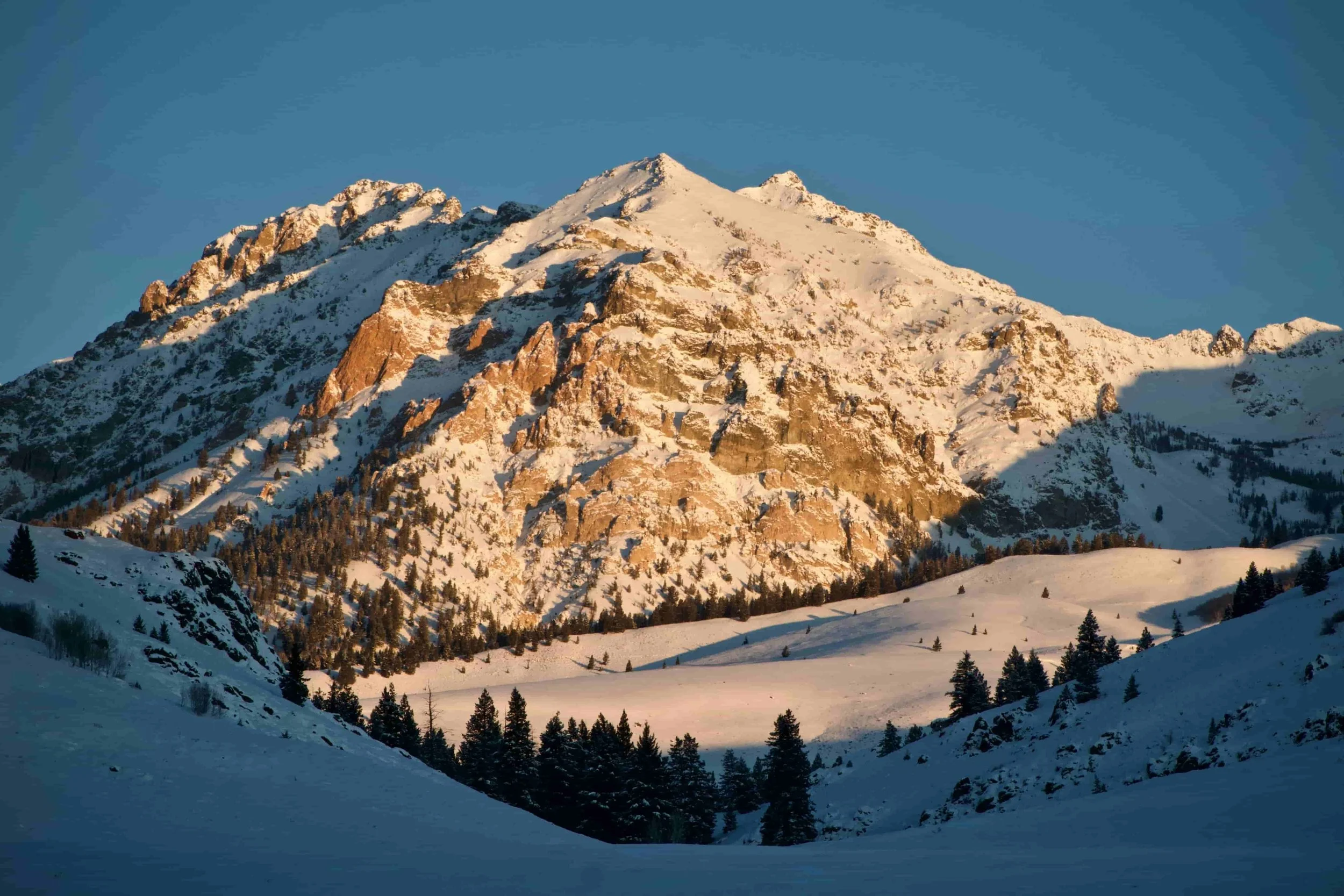
Brundage Mountain Resort - This independently owned mountain “is a classic Idaho Ski Resort with amazing terrain and a friendly vibe and has earned an undisputed reputation for the Best Snow in Idaho™”
Tamarack Resort - “Mountains As They Should Be” “Top-tier ski resort, with trails suitable for beginners and seasoned pros alike.”
Bogus Basin - Is the closest to Boise. “Bogus Basin stands tall because of the culture of recreating in nature and proudly provides year-round, non-profit mountain recreation, education and fun to the Treasure Valley.”
Sun Valley Resort - Founded in 1936, was America’s first destination ski resort and remains a world-class mountain resort for boarders and skiers!
Lookout Pass - Staddles the Idaho/Montana border. “Experience the thrill of perfectly groomed trails and an average of more than 450 inches of light, dry powder snow annually at Idaho’s oldest and favorite family-friendly mountain.”
Silver Mountain Resort - 30 minutes east of Coeur d’Alene, offering a variety of winter snowsports with a focus on family fun.
Schweitzer Mountain - “With 2 distinct ski and ride areas delivering on-mountain excitement for all levels, Schweitzer is quite simply the hub of winter adventure in Idaho.”
Idaho
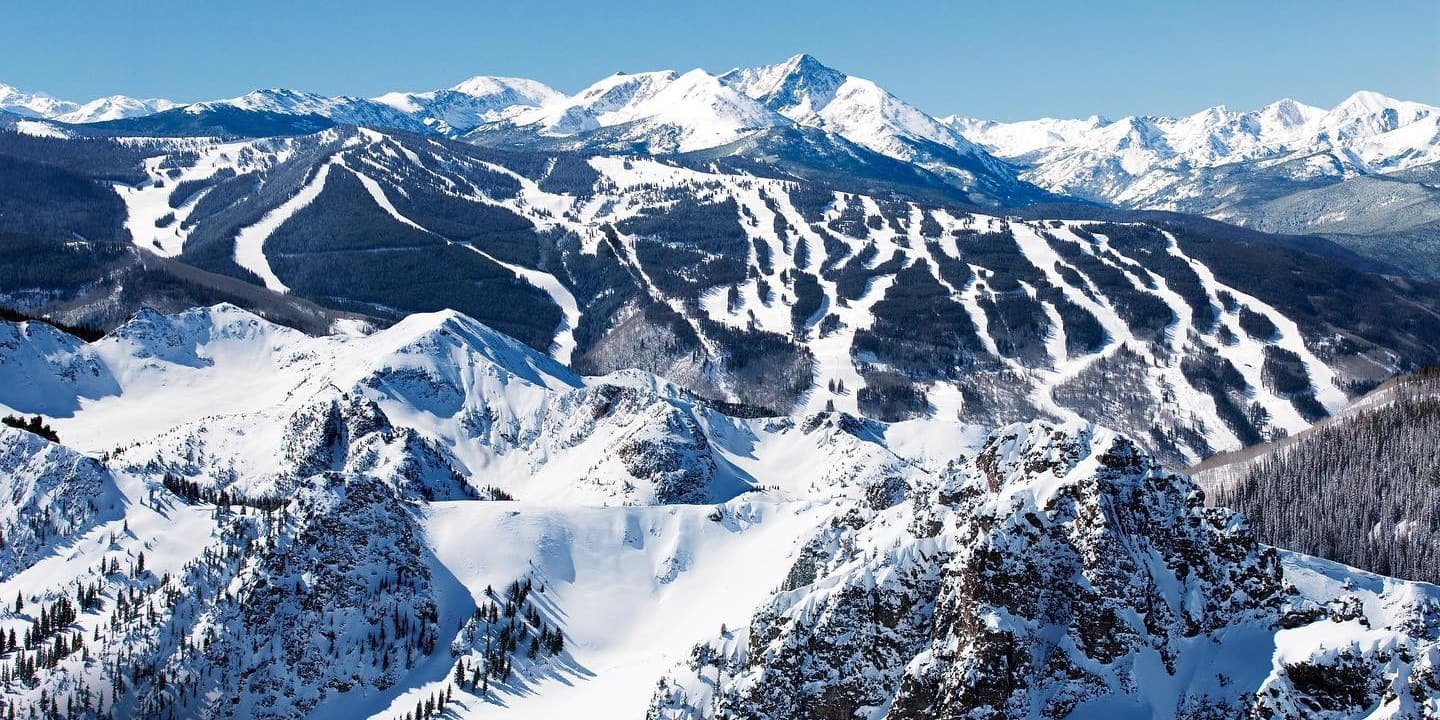
Arapahoe Basin (aka A-Basin) - Legendary mountain that has some of the highest lift-served terrain in North America and usually one of the longest seasons in the U.S.
Breckenridge Ski Resort - “Five Peaks. One Incredible Mountain. This is Breck. You in?” The slopes rise above a historic, genuine and fun ski town.
Copper Mountain Resort - Known as “The Athlete’s Mountain, Copper’s world-class naturally divided terrain provides skiers and riders access to over 2,500 acres of high alpine adventure.”
Steamboat Ski Resort - Famous for amazing gladed tree runs & Champagne Powder® “Steamboat is not just a resort, it’s Ski Town, U.S.A®”
Crested Butte Mountain Resort - Well regarded as a steep, deep, and adventurous mountain rising above an authentic and cool ski town.
Winter Park Resort - “Is the closest major mountain destination to Denver. Winter Park is home to endless adventures and an unparalleled and unfiltered Colorado experience.”
Eldora Mountain - “Just 21 miles west of Boulder, Eldora has the kind of diverse terrain that leaves no adventurer behind, from laid-back learning areas to advanced lines where you can push the limits.”
Wolf Creek Ski Area - Down to earth, rugged and intrepid spot that consistently gets the most snow in Colorado!
Purgatory Resort - Sweet terrain, quality snow and lots of sunshine - has one of the coolest names IMO!
Vail - Largest ski resort in Colorado, “Is Like Nothing on Earth.” It draws the crowds but everyone from beginners to experts will enjoy!
Colorado
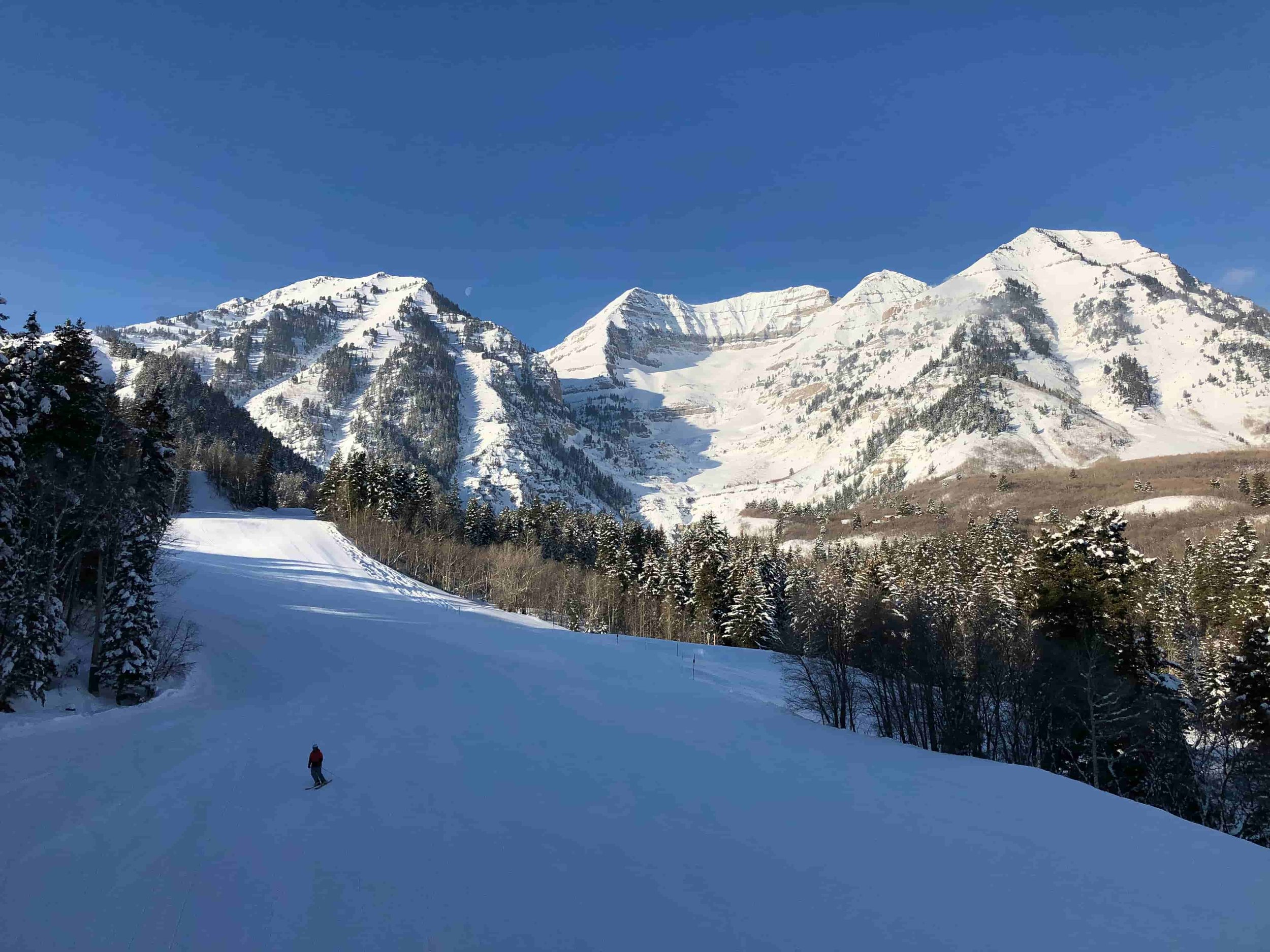
Snowbird - Is the closest big ski area to Salt Lake City. Epic snow and terrain make this a must-experience spot in the Wasatch Mountains!
Alta Ski Area - “One of the spiritual homes of skiing” that is beloved for incredible snow and terrain. One of only 3 resorts in the U.S. to not allow snowboarding.
Brighton Resort - “The early and ongoing embrace of snowboarding culture helps make Brighton a renowned refuge for riders of all abilities. Brighton is a powder hound’s paradise.”
Sundance Mountain Resort - “Is a rare enclave that seamlessly blends mountain living with art, adventure, and stunning natural splendor. ” Dramatic Mt. Timpanogos rises above the slopes.
Solitude Mountain Resort - “The varied and rugged terrain of this resort gem contains countless stashes of powder and a gratifying mix of challenging and mellow terrain.”
Powder Mountain - “This enormous resort limits daily ticket sales and strives to maintain the lowest skier density of any resort in North America within its 5,000 acres of in-bounds terrain.”
Snowbasin Resort - One of the largest resorts in Utah, “Composed of three unique areas, Snowbasin offers unparalleled terrain for every skier, backed by the most advanced lift-system in Utah.”
Utah
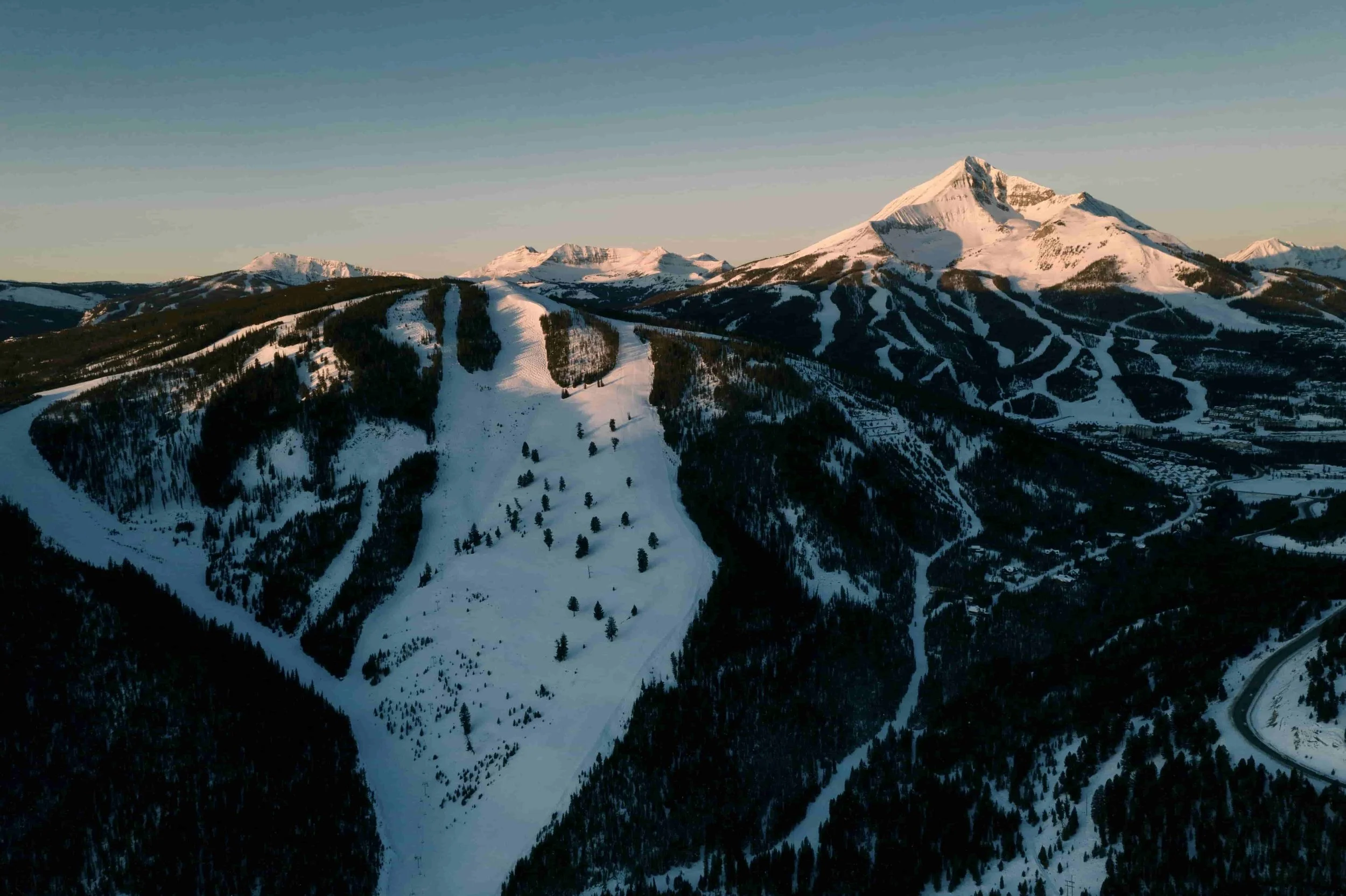
Bridger Bowl Ski Area - “Ski the Cold Smoke” powder snow! “As a nonprofit ski area, Bridger Bowl is proud to offer a genuine community-driven experience.”
Big Sky Resort - Massive ski area - over 5,800 acres of skiable terrain, a 4,350 vertical drop and 400 inches of snowfall annually! Has nice balance of beginner-advanced terrain and 6 freestyle parks to explore.
Montana Snowbowl - “The Whole Point of Winter” - located just 18 miles North of Missoula.
Whitefish Mountain Resort - Vast amount of skiable terrain on the Big Mountain slopes with the charming town of Whitefish about 15 minutes away. “Lift tickets are a fraction of the price of tickets at the more crowded Rocky Mountain resorts!”
Great Divide Ski Area - “Montana's most afforadable skiing and riding; A welcoming, family-first mountain; Friendly staff and a relaxed atmosphere; Terrain for every level.”
Red Lodge Mountain - “A pure Montana destination, that attracts people in search of all-seasons face-to-the-sky adventure because it offers a rugged, unspoiled mountain and landscape.”
Montana
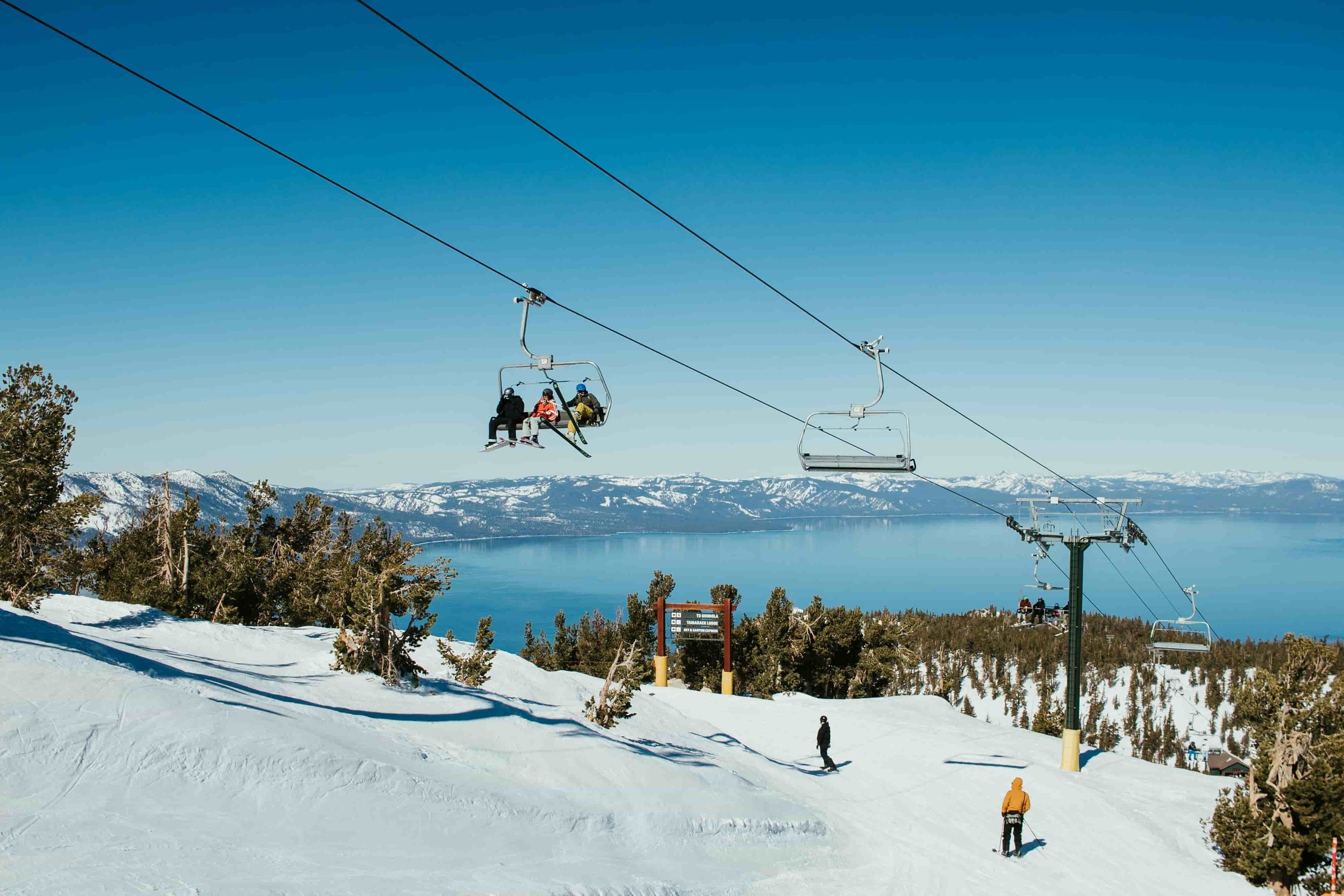
Palisades Tahoe - has 2 unique but connected areas: Palisades & Alpine
“Palisades Tahoe is known for its 6,000 acres of uninterrupted legendary terrain. There is the high-octane energy and legacy of Palisades and the laid-back but adventurous vibe at Alpine.”
Kirkwood Mountain Resort - “Whether you’re looking for progression or steep and deep, Kirkwood has it all - including some of the best learning terrain and snowfall in the region.”
Mammoth Mountain Ski Area - “California’s best skiing and snowboarding.” Huge, high-altitude mountain with fun, diverse and challenging terrain and tons of snow.
Northstar California - “Is a welcoming, family friendly mountain resort and top winter destination.”
Big Bear Mountain Resort - includes 3 different ski areas: Snow Valley, Snow Summit, and Bear Mountain Ski Resort
“Snow Valley, Snow Summit, and Bear Mountain - offer the best snow conditions, longest season and most rideable terrain in Southern California.” “Bear Mtn and Snow Summit have SoCal’s only halfpipes.”
Mt Baldy Resort - Is the closest to Los Angeles “SoCal’s Real Mountain, Real Close.”
California
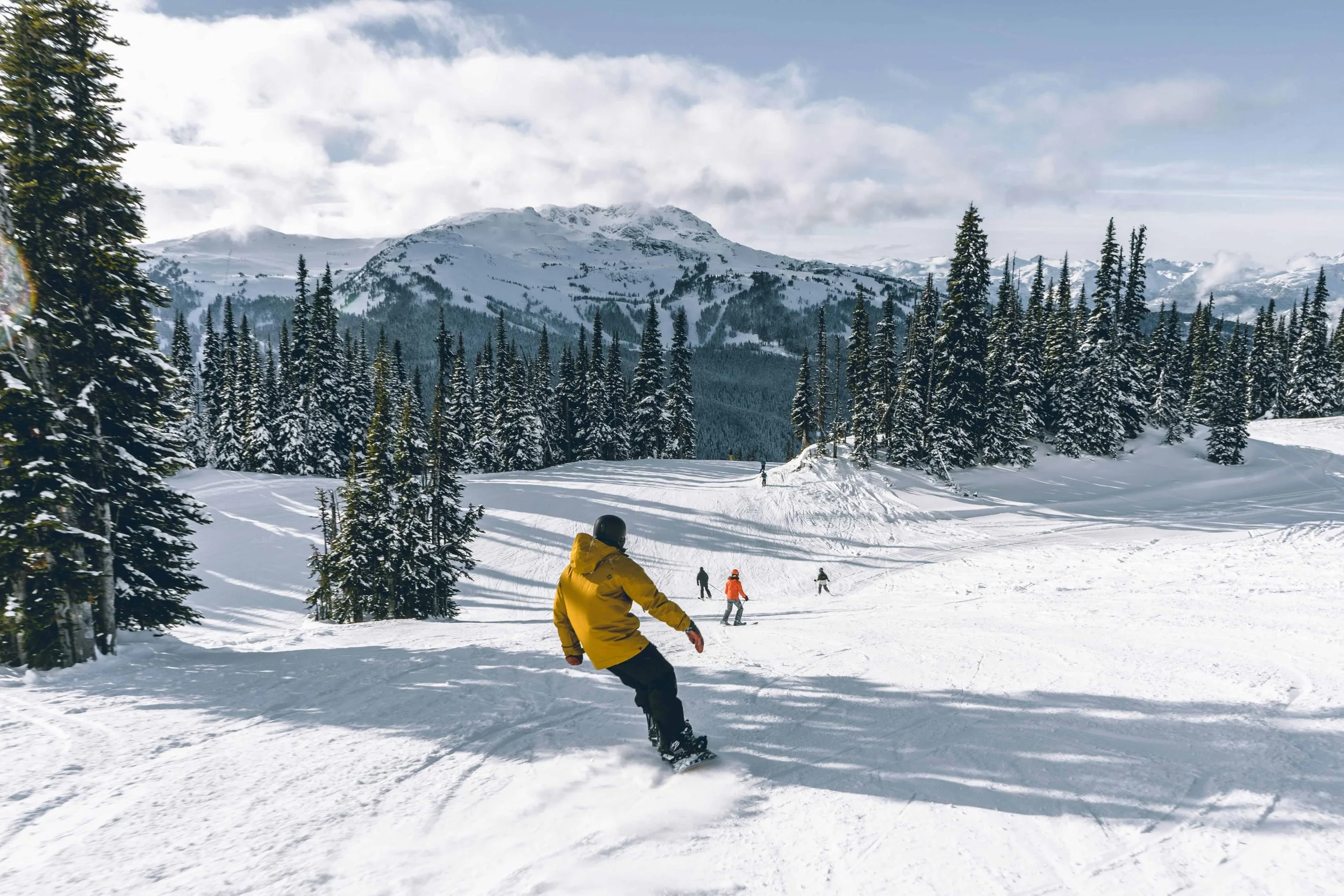
For Beginners
Things to think about if you are new to snowsports:
What gear and clothing do I need? (outlined in detail in this section)
Which ski areas/resorts should I go to as a beginner/novice?
(Visit the Where to Go section for more info)
How will you learn? (Visit Recommendations part of this section for more info)
What can you expect when learning and getting in snowsports shape?
Some stiffness and soreness (even in muscles and body parts you wouldn’t expect) - if you stretch during riding/skiing and stretch/exercise a little off the mountain, it will help to minimize this.
Individuals (of all ages) learn and progress at different paces - it truly depends on you, your motivation level and your physical abilities!
Generally speaking, more athletic people with better balance have an easier time learning and progressing. But even people in average physical shape can learn and progress reasonably quickly and have fun early on.
So do not be discouraged!
What is the risk of injury with snowsports? There is an inherent risk of injury with snowsports, (and serious injury or death can occur) but you can minimize that risk by:
*Wearing a helmet
*Riding or skiing within your ability level on slopes/terrain appropriate for your ability level
*Knowing how to turn, slow and stop effectively
*Stopping or resting when you are tired or need a break
*Using proper mountain etiquette and being aware of/respectful of others near you
***Disclaimer - I am not a medical doctor and none of the above is to be considered professional medical, health or safety advice!
Gear & clothing needed:
This is a list of the main and essential items - can vary depending on personal needs and preferences
Gear
the obvious - snowboard or skis
ski poles
bindings
boots
snowboard stomp pad (for traction and de-icing when back foot is out of the bindings)
snowboard leash (optional) - to prevent a runaway board
helmet
goggles and cloth to wipe them with
Clothing
base layers that wick moisture away from the skin (thermal top and bottoms or long johns)
secondary layers that hold body heat (long sleeve performance tops, fleece pullovers or sweatshirts)
secondary layer pants (athletic or fleece) for colder days if your snow pants are not lined
socks that are warm and moisture-wicking
outer layers that are water/wind-resistant and breathable (parka/jacket and pants/bibs) - bibs keep snow out better
balaclava or warm hat for underneath helmet
gloves or mits (with inner liners for very cold days)
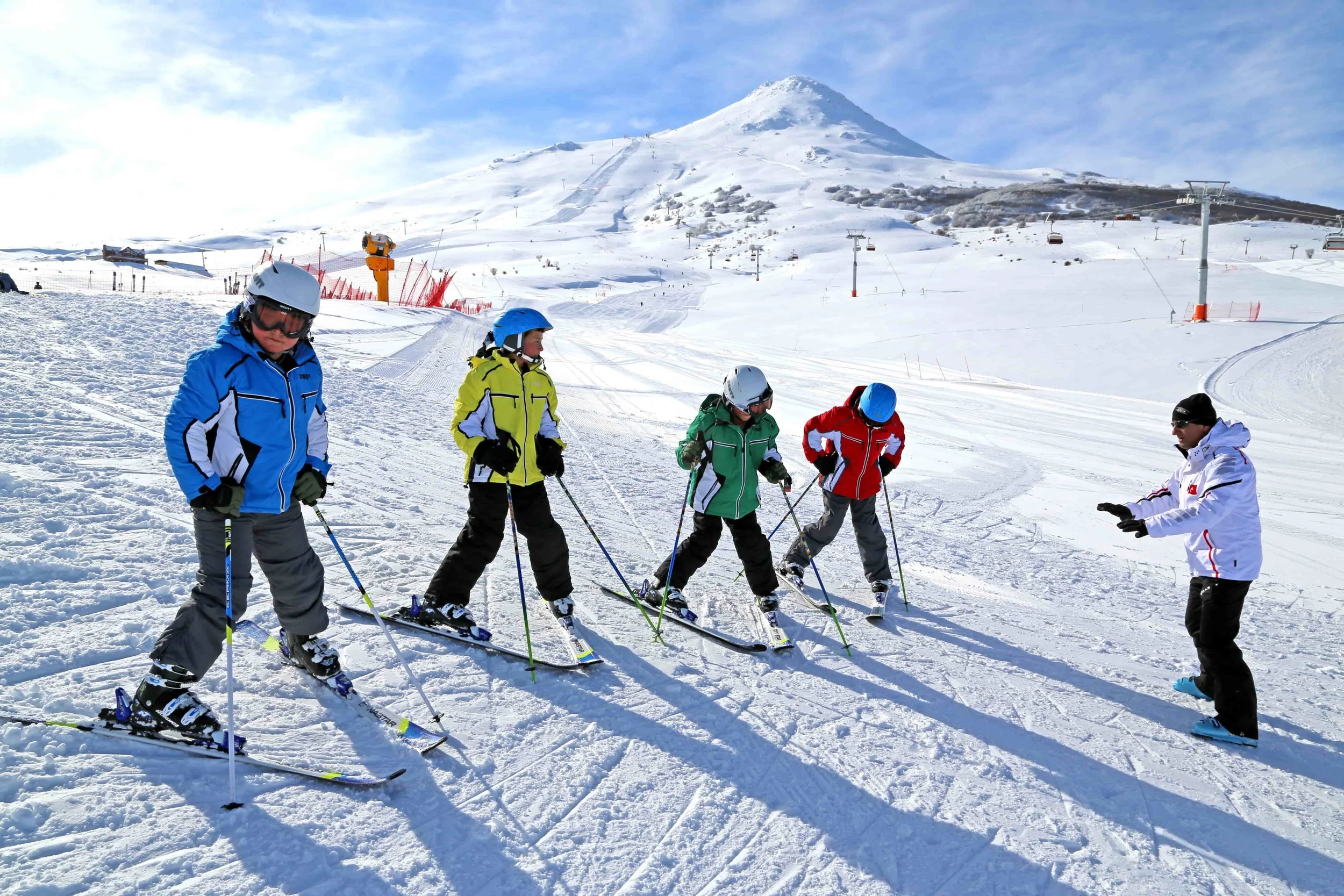
Recommendations:
Take 1-3 lessons from a qualified instructor to learn proper techniques and good habits and progress faster vs. being taught by a friend or family member
Rent gear the first few times you go vs. buying right away- will save you $ and allow you to try some different brands/styles of gear
Do some research to confirm ski areas/resorts of interest have trails suitable for your ability level - at this phase you are seeking out easy learning terrain/green (beginner) runs
Prepare your car for winter driving conditions and pack tire chains (even for all wheel drive) and practice installing them ahead of time
Use layering - I usually go with 2-4 layers depending on temperature and conditions (4 on colder days and 2-3 on warmer days)
Stretch your muscles - it helps you ride/ski longer and keep soreness to a minimum
Hydration and snacks - take with you while riding to stay nourished and energized
Sunscreen - can keep exposed face/skin from getting fried and minimize the goofy looking goggle tan
The sun is more intense at higher altitudes and when reflecting off the snow!
Moleskin - provides protection for feet/ankles against hotspots and blisters
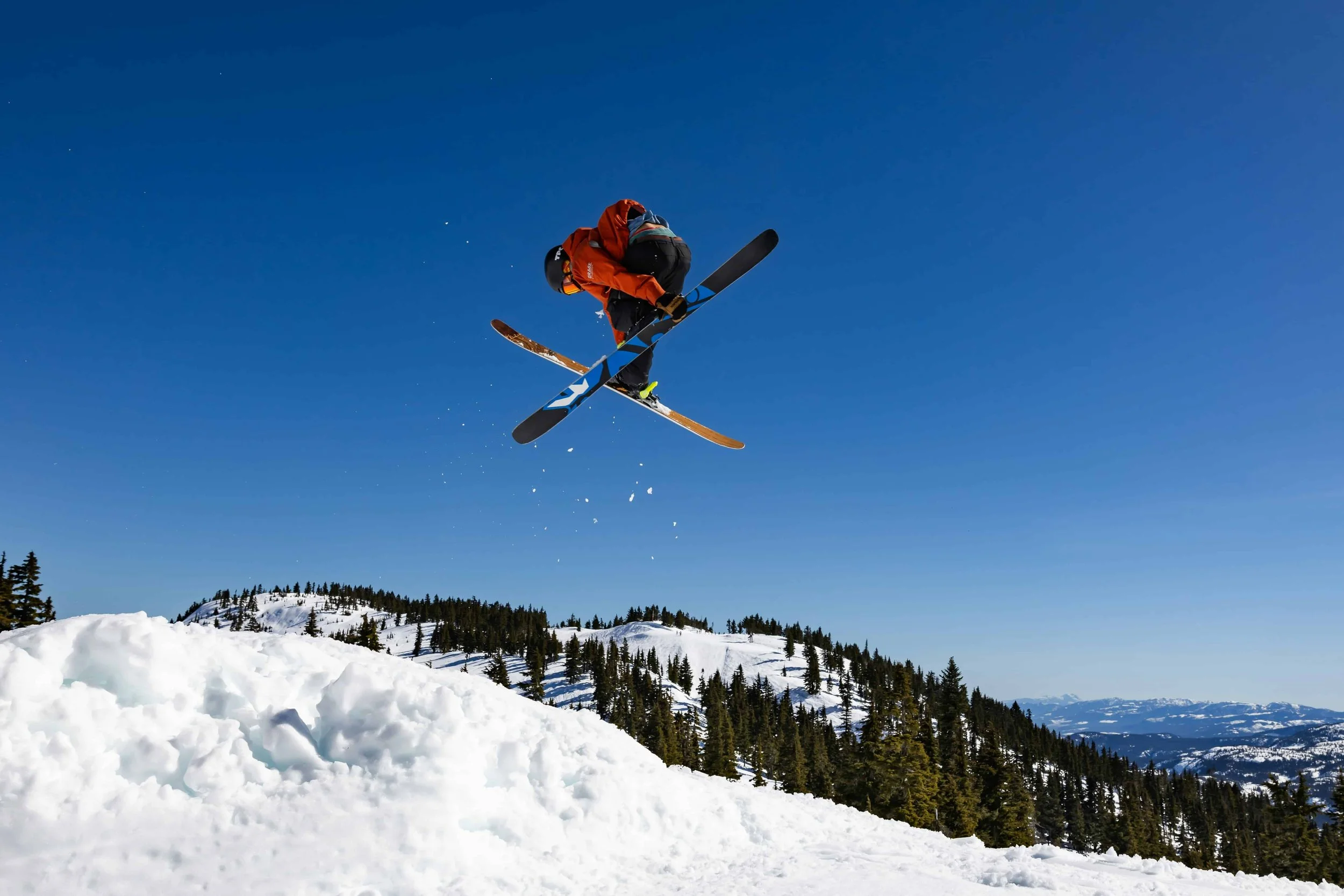
For enthusiasts
You are passionate about snowboarding and/or skiing and spend lots of time doing!
You are frequently on the hunt for new and gnarly locations to ride, ski, and explore!
You start Jonesing for snow in late summer!
The mantra “live to ride & ride to live” resonates with you!
Some prime and unique snowboard and ski experiences in the U.S. -
Snowbird, Utah - Epic snow and terrain define this ski resort about 30 miles from Salt Lake City!
“Averages around 500 inches of snowfall annually, and has a higher percentage of steeper intermediate, advanced and expert runs, making it a popular destination for experienced skiers and snowboarders.”
The Powderbird Helicopter Skiing operation is located at the resort base and offers incredible backcountry trips in the surrounding Wasatch Mountains.
Mammoth Mtn, California - Situated in the Eastern Sierra Nevadas, this “premier winter destination is known for its exceptional skiing and snowboarding opportunities, featuring over 3,500 acres of skiable terrain, a vertical drop of over 3,000 feet and an average of 400 inches of snow each season.”
“It’s also known for its stunning landscapes and diverse activities.” The beauty and unique geology of Mono Lake is nearby and worth visiting!
Alpental, Washington - part of the Summit at Snoqualmie, has some of the steepest runs in Washington State. If you need something beyond the superb inbound slopes, there are access gates to serious backcountry terrain (only for advanced and experts with avalanche skills)! About an hour drive from downtown Seattle!
Silverton Mountain, Colorado -“It’s the highest (base elevation 10,400’) and steepest ski area in North America and with no easy way down.”
“Advanced and expert only skiing/riding, no groomers, no clearcut runs and a real mountain experience with plenty of adventure on tap.”
“There is only 1 lift and you typically hike along ridgelines to get to where you want to go. There are loads of bowls, chutes, cliffs and wonderful natural terrain features to be discovered everywhere you look.”
Offers guided, unguided, and heliskiing options. Avalanche beacon, shovel, and probe are required!
Timberline Lodge, Oregon - Besides being a great winter recreation spot, it has year-round snow on the Palmer Snowfield and hosts outstanding summer freestyle and racing camps for all ages!
“Palmer Snowfield is the heart of Timberline’s summer scene. Under sunny skies, it’s the only lift-accessed summer snow experience of its kind in North America.”
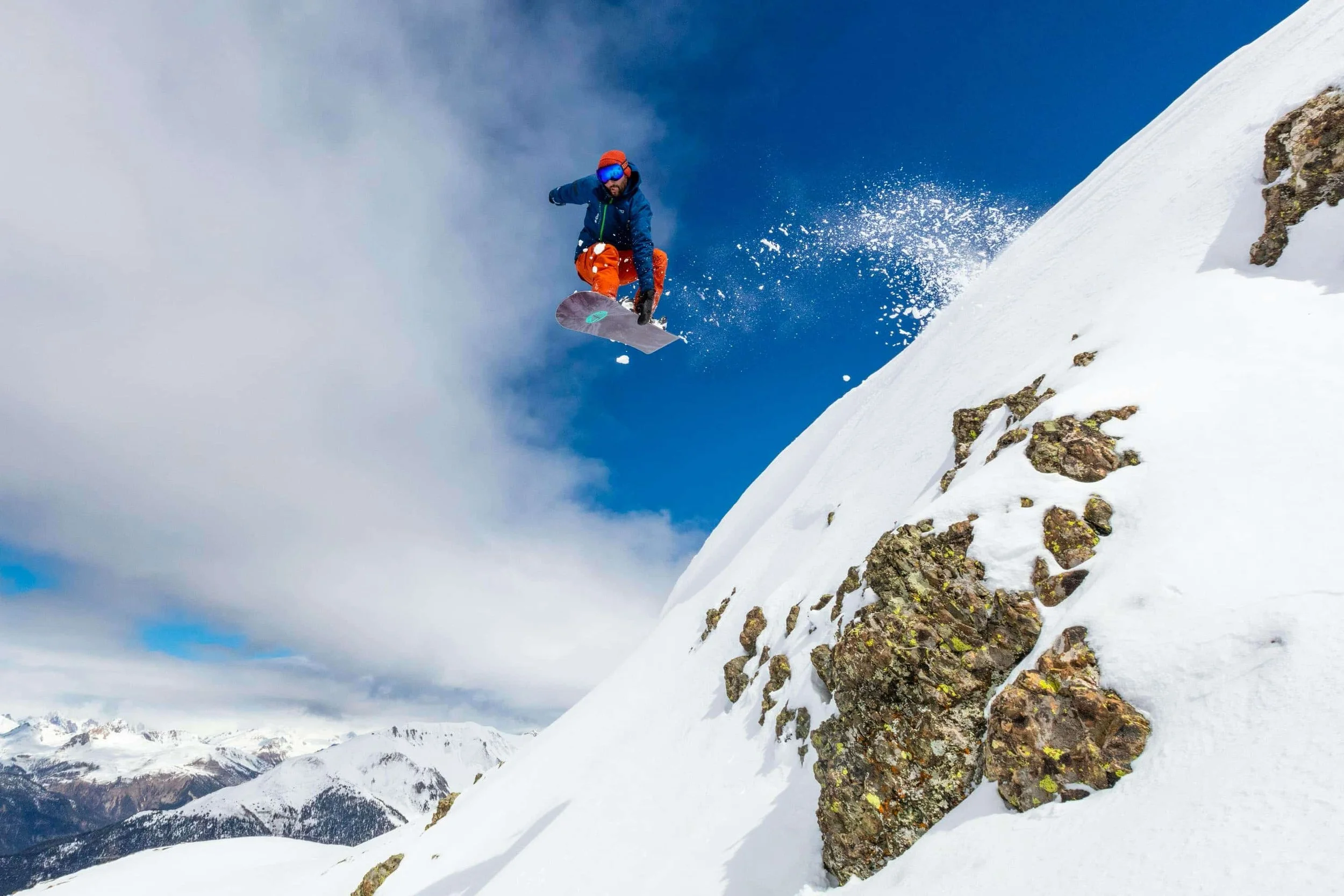
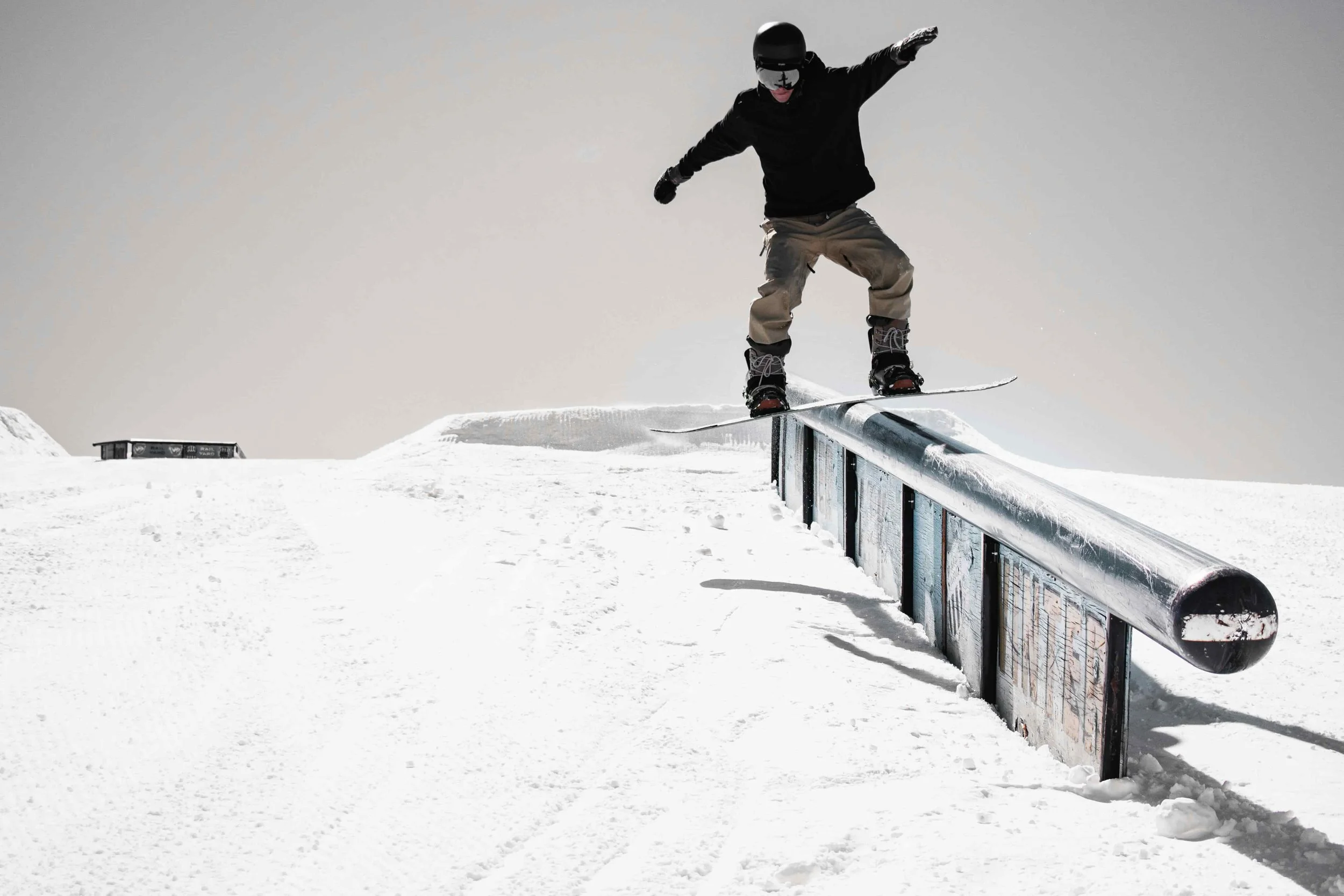
A few areas in the U.S. with great terrain/freestyle parks -
Summit Central, Washington -
Central Park is a long, express lift-served, summit to almost base park with a variety of rails, boxes, rainbows, unique slidables, jumps and cool obstacles of all sizes. For intermediate, advanced and pro-level!
Greenhorn Acres is a shorter, fun park with cool but smaller features that are perfect for beginners and intermediates!
Bear Mountain, California - “Southern California's epicenter for freestyle progression. 195 acres with 150+ jumps, 80+ jib features, and one of SoCal's only halfpipes.”
“There are terrain parks off every chairlift and Bear Mountain offers some of the best parks in North America that cater to all skill levels.”
Snow Summit, California - “Has a reputation as one of Cali’s top spots for snowboarders. Has multiple terrain parks designed for boarders and skiers of all skill levels, including natural and man-made features like jumps, rails, and boxes.” Features SoCal’s only other halfpipe!
Steamboat, Colorado -“Explore some of the best terrain parks in Colorado at Steamboat Resort!”
Lil' Rodeo - “Is our entry-level park, offering features for all riders and abilities. Small boxes, jumps, and a mini half-pipe, are waiting day and night.”
Rabbit Ears - “A local favorite with over 20 assorted jumps, bonks, jibs and rails. A great all-around park for beginner to intermediate riders.”
Mavericks - “You're ready for the big leagues! It is Steamboat's largest terrain park. With jumps ranging from 50 to 70 feet, this park is no joke. Mavericks Superpipe is a freerider's dream. Mavericks is 450 feet long, 56-feet wide and has 18-foot walls, and a 22-foot transition.”
Brighton, Utah - “World-class terrain park with an ever-changing assortment and arrangement of features - changes from week to week.”
“Brighton rides more like a skate park than a typical terrain park — there’s more flow,” says Mouse, the terrain park designer and head digger.
“There are roughly 200 skiable acres at Brighton’s six terrain parks with a variety of features catering to different skill levels. The parks are designed to keep things fresh and exciting, making it a popular destination for terrain park enthusiasts.”
Park City, Utah - “One of North America's most progressive park and pipe set-ups includes six terrain parks serving the total spectrum of ability levels and 1 halfpipe + a mini pipe.”
Backcountry Safety
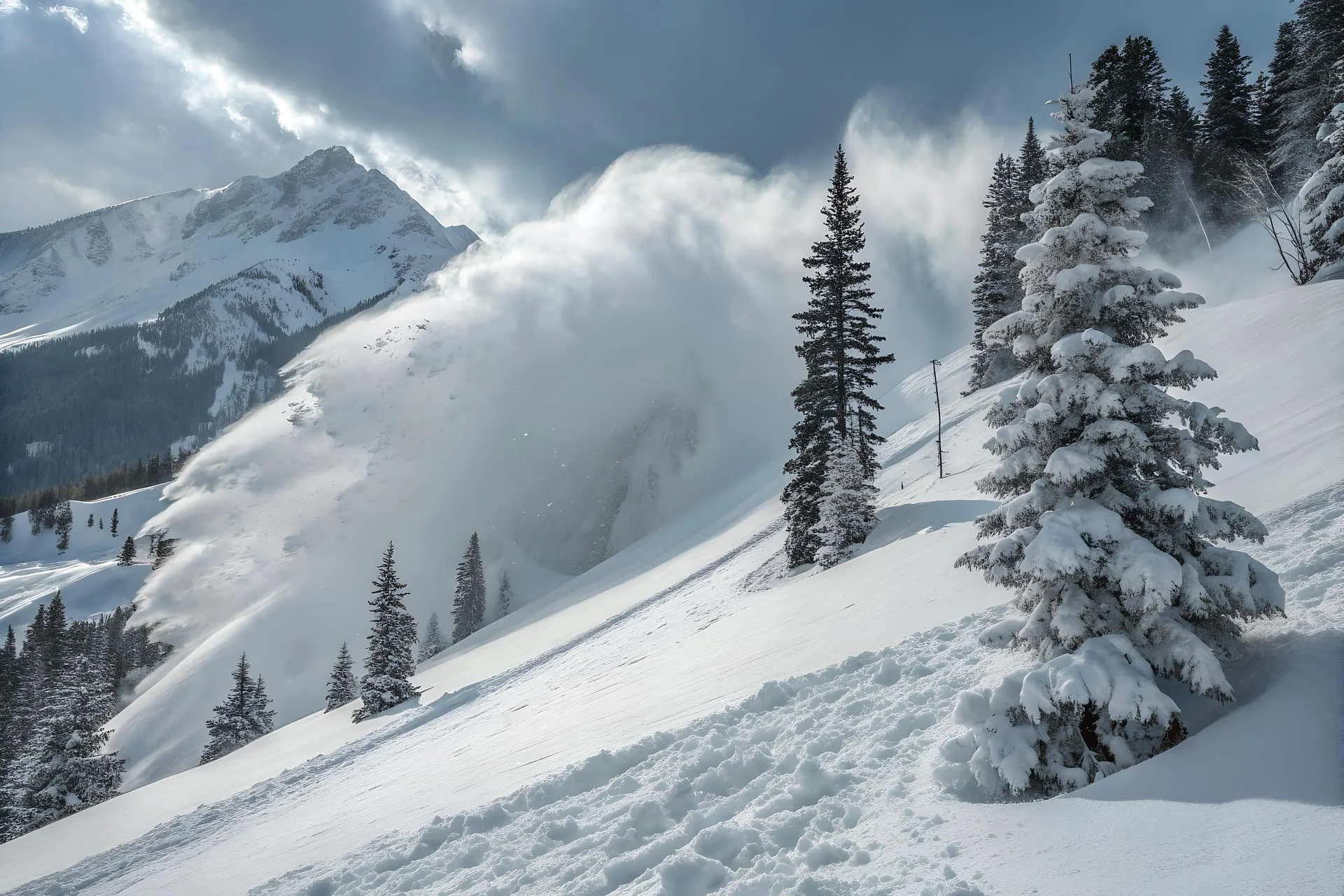
Snowboarding or skiing out of bounds and in the backcountry can be alluring, adventurous, thrilling and liberating (insert your preferred adjective here) but it can also be dangerous, unforgiving and deadly!
Backcountry snow conditions are usually safe about 80% of the time, but it is the other 20% that can lead to tragedy and unnecessary fatalities. Those numbers may be disputable, but it’s the principle that you are playing the odds when you venture into the backcountry, so you need to know what you are doing, how to access the risk and when it is safe to go out if you want to stay alive.
It can be wildly tempting to go for the immediate gratification of pristine and untracked snow on incredible terrain! But in a potentially dangerous situation it is way better to err on the side of caution and swallow your pride by not going, so you can live to ride or ski another day!
Avalanches, also known as the White Death, are very powerful forces - the largest ones can obliterate anything in their path! Besides entombing victims and causing death by asphyxia (lack of oxygen to the body), their associated violence can also break bones and damage internal organs.
Because of the physics, an avalanche can move with speed (making them difficult to outrun even on a snowmobile in some situations) and quickly sets up like concrete as it stops. Digging a person out of an avalanche burial can be very hard work and their life could well depend on you, so a rapid response is paramount! If you are buried deeply enough, it may be impossible to unbury yourself, so you will need to rely on others!
Suffice it to say, avalanches are serious business!!!
A few stats:
*About 100,000 avalanches are reported annually in the US
*On average there are about 27 avalanche deaths per year in the US (some years are lower due to specific snow/weather conditions)
*As of the end of April 2026, there have been 23 reported deaths in the US, which includes the 9 fatalities from the big avalanche in the Lake Tahoe area in mid-February
*Since 1980 there have been 593 avalanche deaths in the US
*The vast majority of avalanche victims are snowboarders, skiers, snowshoers, snowmobilers and mountain climbers
*In an avalanche burial, you have the highest chance of survival if you are unburied and rescued within 0-10 minutes!!!
*If you are buried for 10-40 minutes, the chances of survival drop sharply due to the risk of asphyxia!
*After burial for 40 minutes or longer there is little chance of being rescued alive due to asphyxiation!
In a burial situation time is of the essence!!!
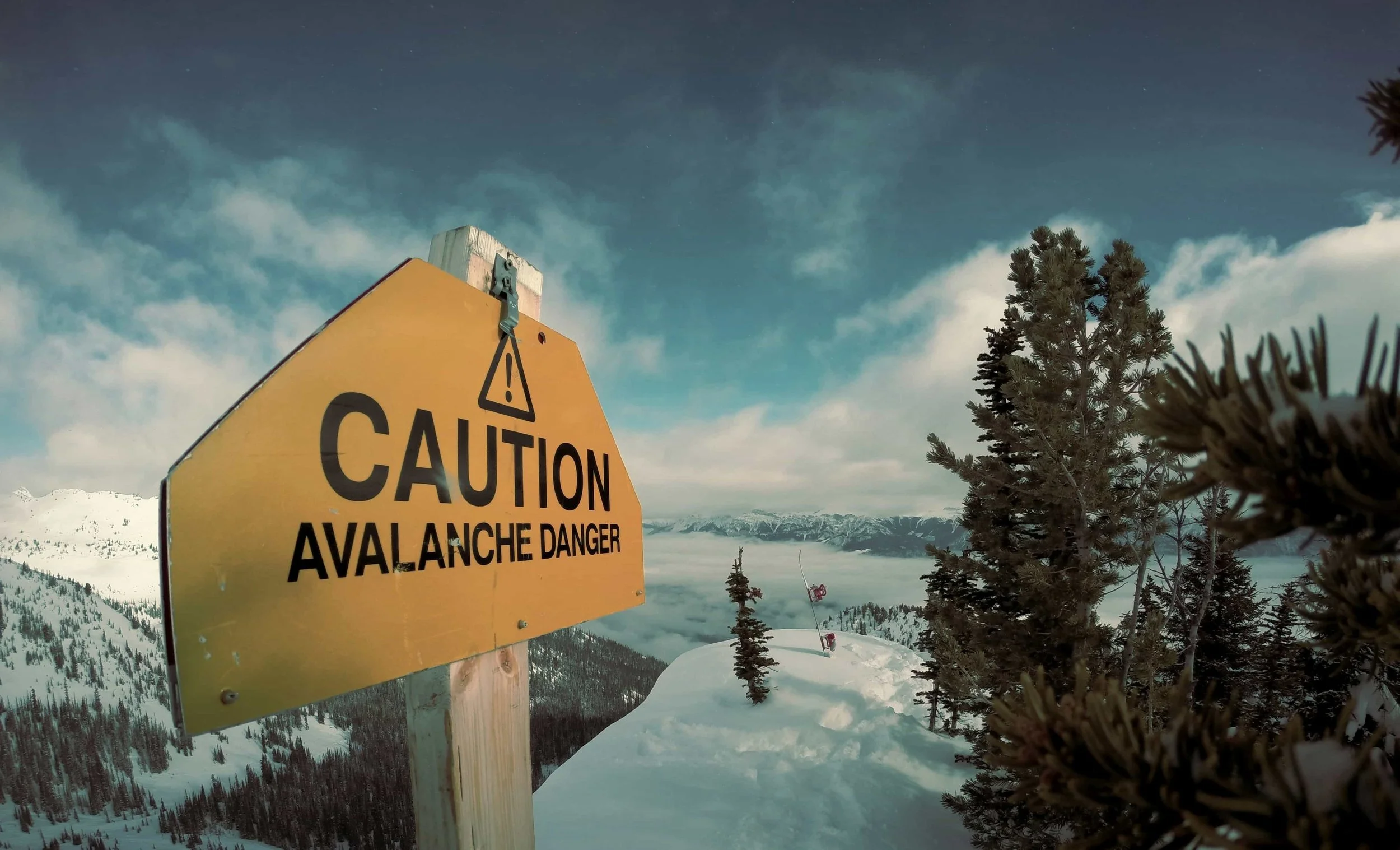
backcountry snowboarding and skiing safety tips -
***(Not a complete list)
*Take a rigorous backcountry and avalanche safety course (this is crucial)!
*Learn how/where to safely dig a snowpit to analyze snowpack layers and how to do rutschblock/shovel shear tests
*Never go out in the backcountry alone - only go with other experienced people you trust with your life
*Always have and know how to properly use safety gear: avalanche beacon, probe, shovel, etc.
*Get the local avalanche report from professionals - do not rely on info from friends or 3rd party sources
*Wait at least 48-72 hours after a sizable storm before going out - gives the snowpack time to bond and stabilize. Then get the avvy report and dig a snowpit, etc. to assess the risk
*Read books like “Staying Alive in Avalanche Terrain” by Bruce Tremper - a renowned avalanche and snow safety expert
*Limit your risk of getting caught in an avalanche by traveling in small groups and dropping in 1 person at a time
*Do not try to beat the weather or go out in a storm - can lead to poor decisions and put you in danger
*Hike your areas in summer to get familiar with underlying terrain. Identify risky slopes/features and look for likely avvy paths (like gullies and chutes) and signs of prior activity (battered/mowed down trees) - avoid those areas in winter
***Disclaimer - I am not an avalanche or backcountry safety professional and none of the above is to be considered professional advice!
Gear + Shopping
Disclaimer!
Please note: Experience the Ride may earn an affiliate marketing commission, with no extra cost to you, if you buy gear or products through a link on this page.
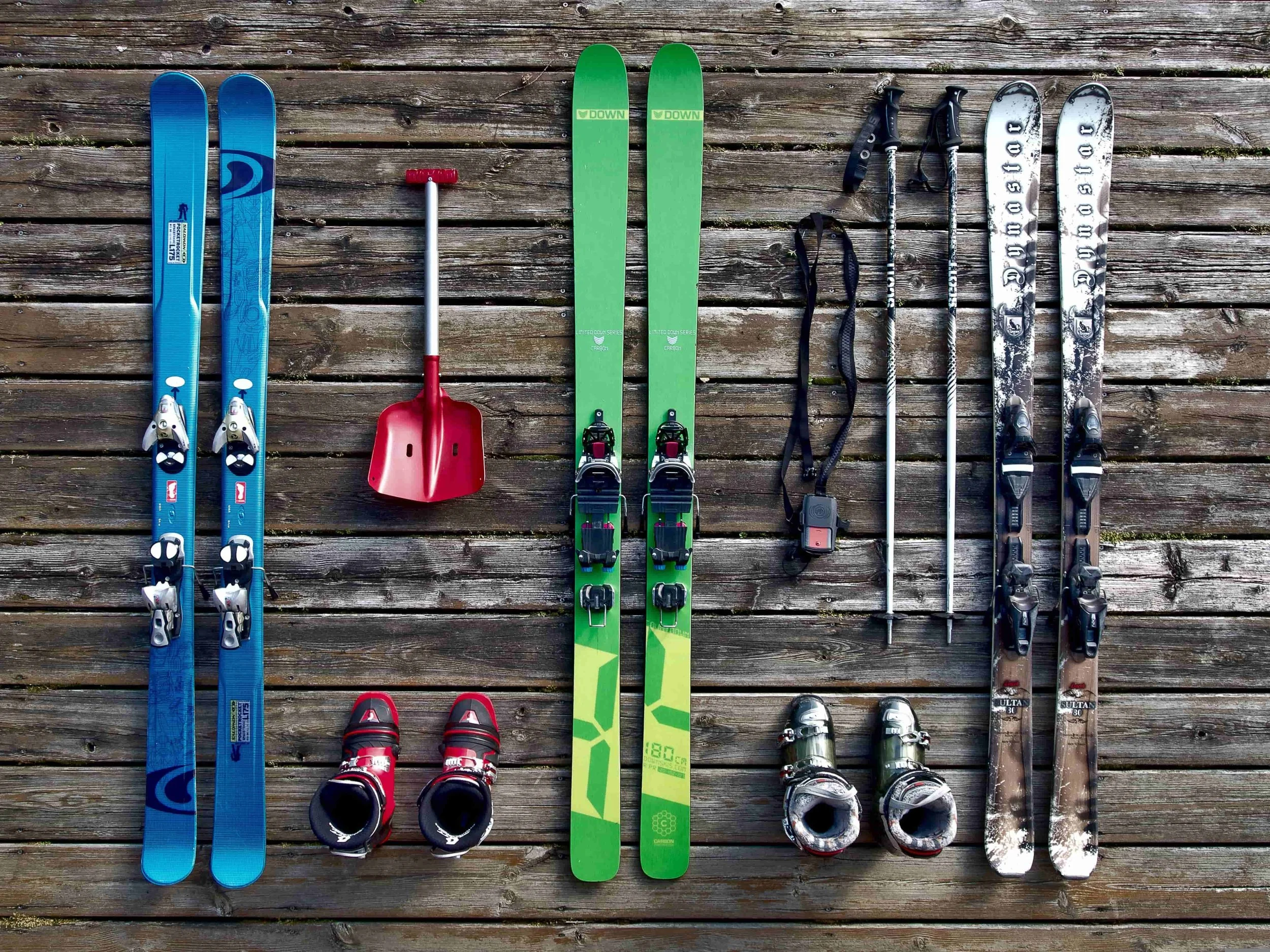
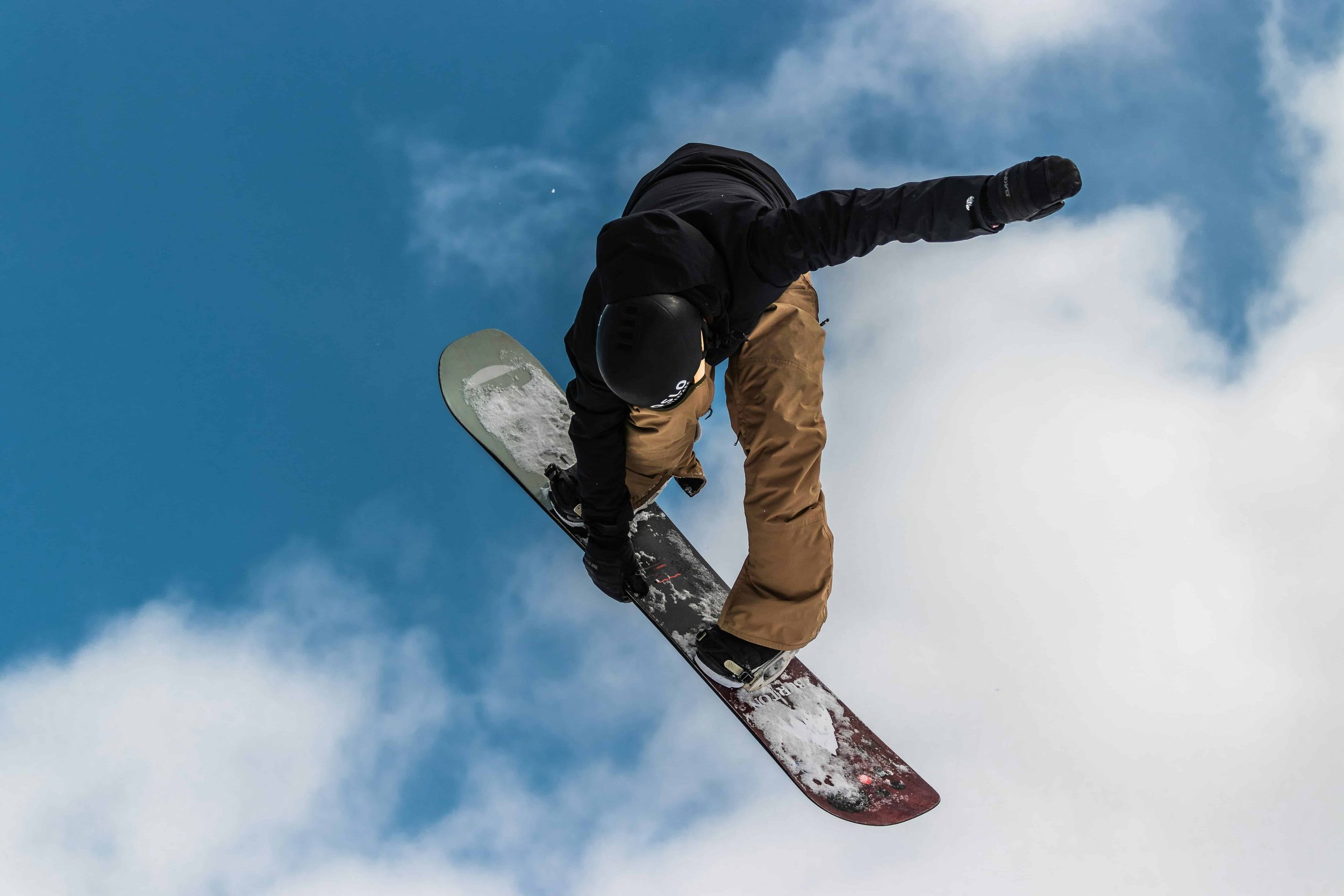
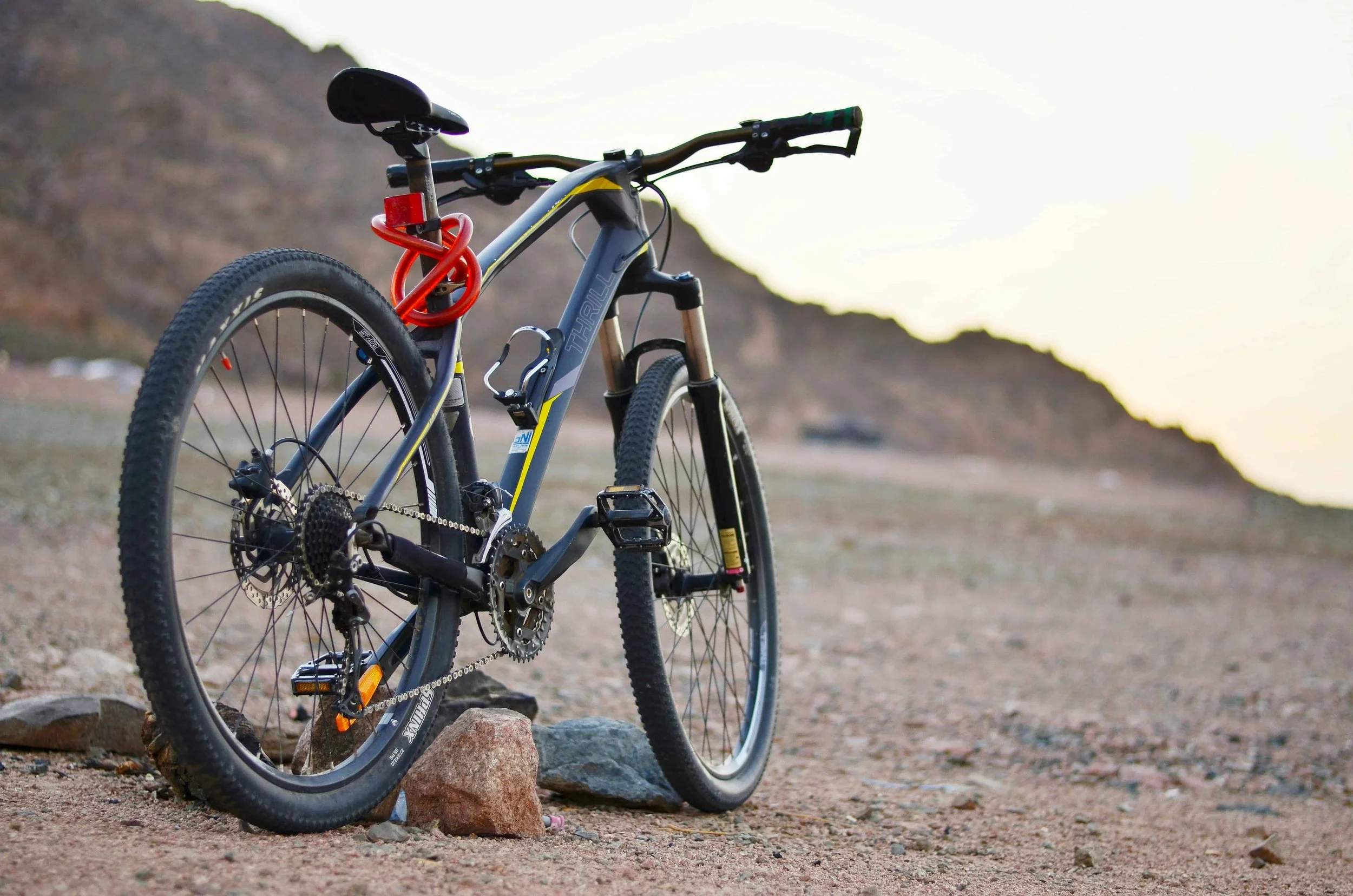
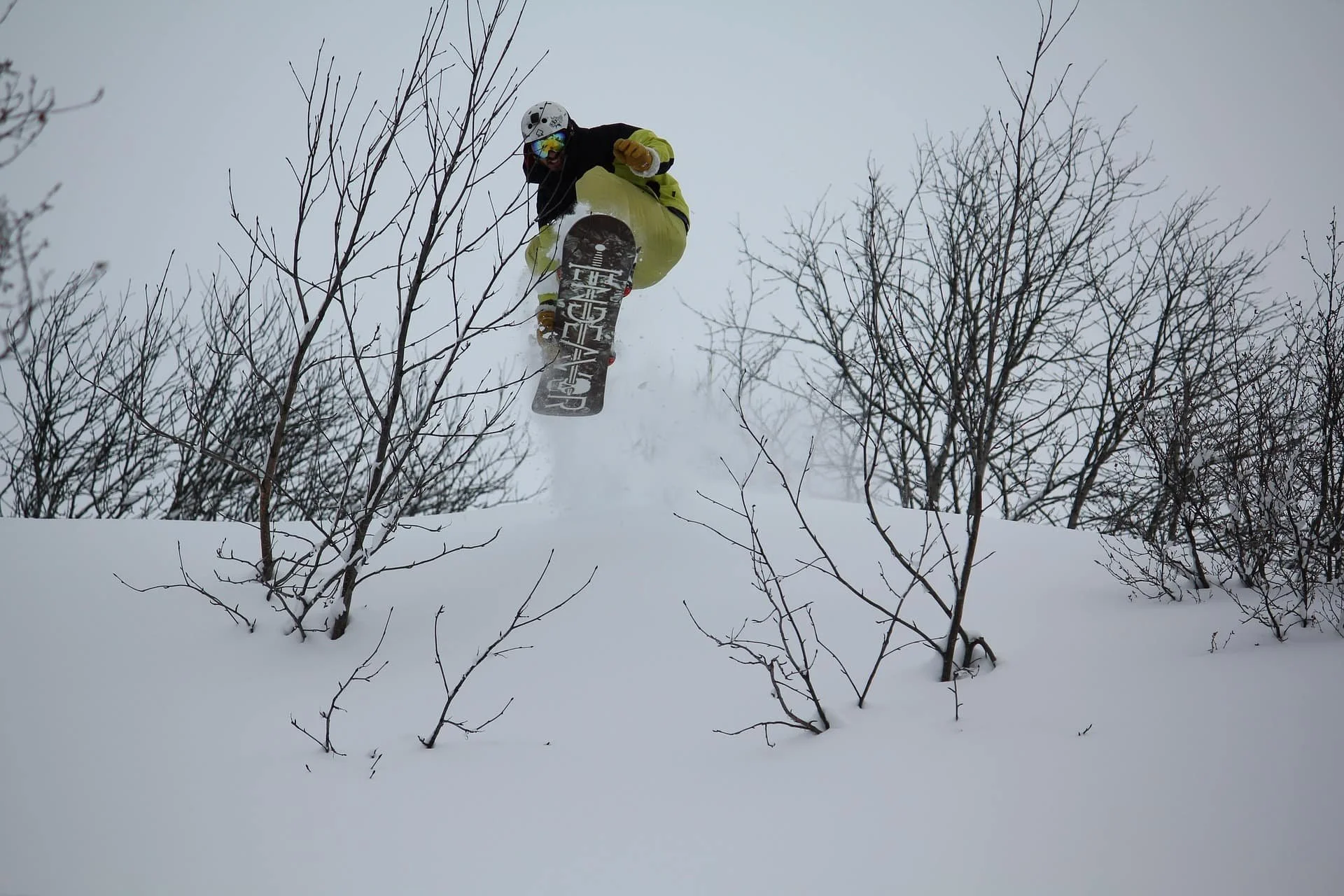
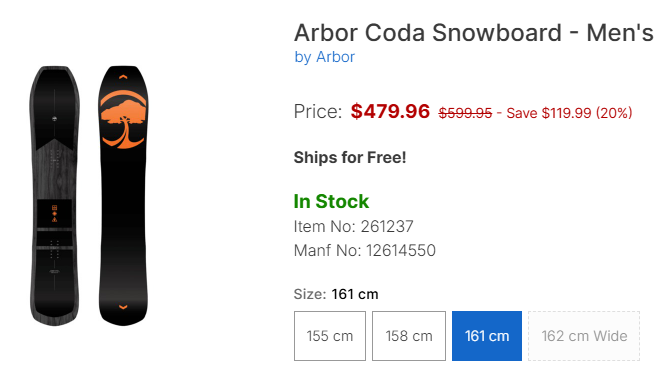
Check out some high-quality gear and products below to help get you outfitted and enhance your snowboarding, skiing and mountain biking endeavors:
*Available item options are being established - stay tuned!
Community
The snowsports community….. a group of people who share a common interest and love for boarding and skiing and where snowsports are an important part of their lifestyle.
A strong community is one with cool/friendly vibes and is a fun, thriving, supportive and dynamic environment!
Some ways to serve and give back to the community:
*Help organize fun and engaging events on the mountain - ex. grommet, youth and teen freestyle competitions or constituent appreciation days
*Become an instructor - help others learn to board/ski
*Become a ski area ambassador - share your knowledge and excitement about the mountain with others
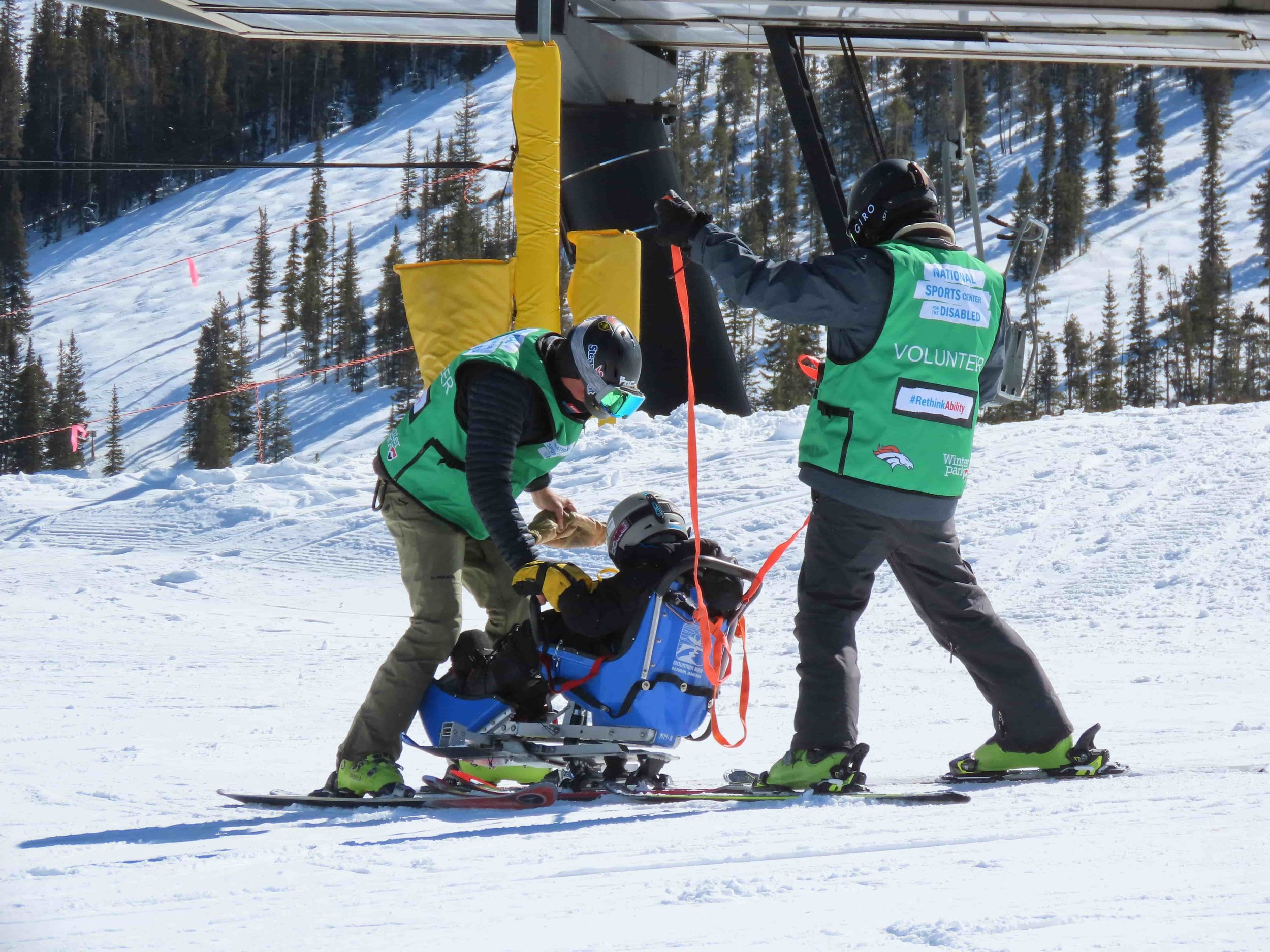
*Volunteer your time and energy - ex. do trash cleanup at ski area parking lots and nearby roadways; get involved in orgs/programs that serve youths and differently-abled athletes
*Become a volunteer (or paid) ski or snowboard patroller to help make the ski area/resort safer
Resources + Links
***Disclaimer - Links to external websites are provided strictly for your convenience. If you use these links you will leave this website!
I am not associating my website/content with any linked external website/content of any entity and I am not endorsing any linked external website/content of any entity!
Any linked websites/content have been created by entities not affiliated with me!
There is no endorsement (explicit or implied) of my website/content by any of the linked websites or organizations!
Community and snowsports organizations
Chill chill.org/ Provides snowboarding and boardsports programs for youths
Outdoors for All Foundation outdoorsforall.org/ Provides outdoor recreation opportunities for children and youths with disabilities
High Fives Foundation highfivesfoundation.org/ Provides supports for adaptive sports programs for individuals with life-changing injuries
SOS Outreachsosoutreach.org/ Outdoor mentorship program for youths
Professional Ski Instructors of America - American Association of Snowboard Instructors (PSIA-AASI) thesnowpros.org/
National Ski Patrolnsp.org/
Avalanche and backcountry safety
Organizations, information and sites for avalanche forecasts, weather, event observations, education/courses and more:
American Avalanche Association americanavalancheassociation.org/
“The American Avalanche Association (A3) is a 501(c)(3) nonprofit organization dedicated to professional excellence in avalanche safety, education and research in the United States.”
National Avalanche Center (in Bozeman, MT) avalanche.org/national-avalanche-center/
“As the nation's subject matter experts in avalanche safety, the National Avalanche Center serves the public by supporting avalanche centers and programs on Forest Service lands.”
***Their website has info/links to all of the U.S Avalanche Centers in different states.
Avalanche.org has same website as the National Avalanche Center
“Avalanche.org connects the public to formal avalanche information and education in the United States. Avalanche.org is a partnership between the American Avalanche Association (A3) and the US Forest Service National Avalanche Center (NAC).”
“Staying Alive in Avalanche Terrain” 3rd Edition, published 2018 - book by: Bruce Tremper- renowned avalanche and snow safety expert who served as the Director of the Utah Avalanche Center from 1986-2015.